
MADERA COUNTY, CA — As spring settles into the Sierra foothills, fire officials across Madera County are preparing for what could be an earlier-than-usual increase in wildfire risk, driven by warming temperatures, reduced lower-elevation snowpack, and rapidly drying vegetation.
While winter storms provided snow at higher elevations, conditions across foothill communities are already transitioning toward a more fire-prone environment. Grasslands and brush areas—particularly in lower elevations—are beginning to dry out, creating fuels that can ignite and spread quickly under the right conditions.
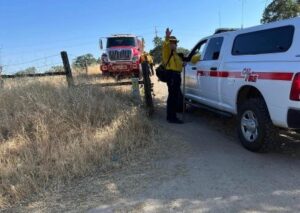
Local and state agencies, including CAL FIRE, have begun seasonal readiness efforts ahead of what is typically considered the start of fire season.
A Shortened Transition Into Fire Season
In a typical year, lingering snowpack helps delay fire conditions in the Sierra well into late spring or early summer. This year, however, that transition is happening more quickly in foothill regions.
Warmer daytime temperatures and limited late-season precipitation have accelerated the drying process, particularly in grasses and light fuels. These fuels are often the first to carry fire, allowing small ignitions to spread rapidly—especially during windy conditions.
Fire officials note that while higher elevations may still appear winter-like, the foothills are already entering a period where wildfire risk begins to rise.
Preparedness Efforts Already Underway
Fire agencies serving Eastern Madera County have started ramping up seasonal operations. That includes:
- Inspecting and staging equipment
 Adjusting staffing levels
- Coordinating interagency response plans
- Increasing public outreach efforts
Officials are also monitoring conditions closely to determine when to implement seasonal restrictions, such as limits on debris burning.
“Spring conditions can be misleading,” fire officials often emphasize. “Even when temperatures are mild, fuels can dry out quickly and become receptive to ignition.”
The Role of Human Activity
A significant majority of wildfires in California are caused by human activity, making prevention a key focus during this early-season window.
As outdoor recreation increases in spring, so does the potential for accidental ignitions—from equipment use and vehicle sparks to improperly extinguished campfires or illegal burns.
Residents and visitors are being urged to remain aware of current conditions and to follow all local fire safety guidelines.
Defensible Space and Early Preparation
Officials continue to encourage property owners to begin preparing now, rather than waiting until peak summer conditions arrive.
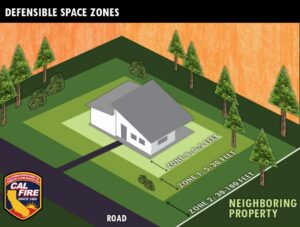 Key recommendations include:
- Clearing defensible space around homes
- Removing dead vegetation and accumulated debris
- Trimming tree branches away from structures
- Reviewing emergency plans and evacuation routes
Taking these steps early not only reduces risk but also provides more time to complete work before potential restrictions are put in place.
Looking Ahead
While it is still early in the season, the current pattern suggests that foothill communities could face elevated fire potential sooner than usual.
Fire agencies emphasize that conditions can change with late-season storms or cooler weather, but early awareness remains critical.
As Madera County moves further into spring, officials say preparation, vigilance, and community awareness will play a key role in reducing wildfire risk before the height of summer arrives.
Also Read:
Central California Blood Center Calls for Blood Donations During Spring Break